- Prairie Routes Newsletter
- Posts
- Ag News Weekly Recap
Ag News Weekly Recap
Your January 7th agriculture news is here!
PRAIRIE ROUTES
NEWS
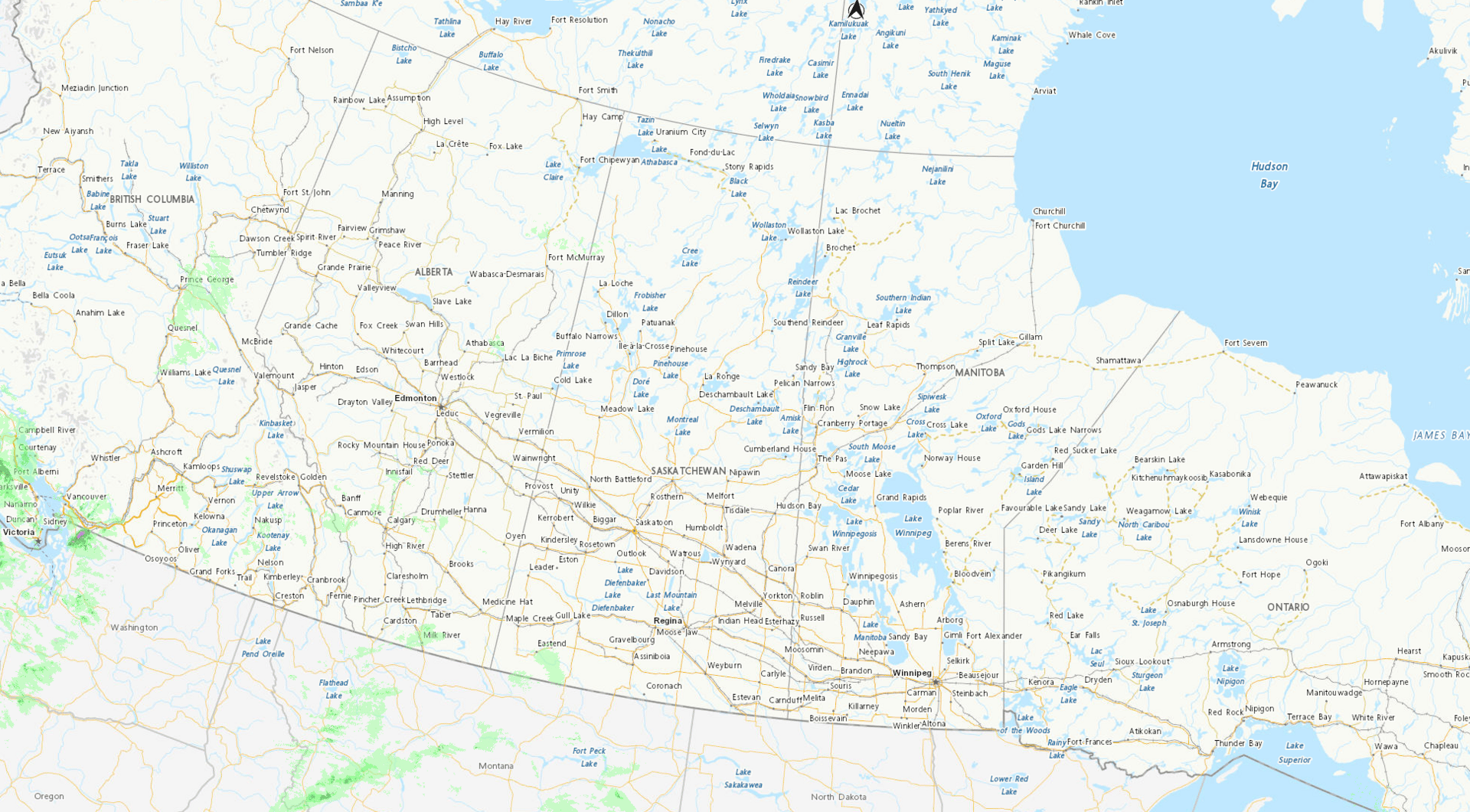
Good morning, a milder pattern will hold across much of the Canadian prairies this week, with daytime highs generally near –5°C to +3°C and only brief dips back into colder air at night. Periodic light snow and flurries are expected, mainly in central and northern areas, but major storms are not anticipated, keeping travel and livestock conditions relatively manageable for early January.
MARKET PULSE
Commodity Market Update

Feb & Mar futures brief for today
January opened with China's soybean buying and fund rebalancing lifting grains/livestock. USDA crop report (Jan 12) and Supreme Court tariff ruling (Friday) drive the week.
Corn (Mar '26): $4.445/bu (up 1-2 cents). 200-day resistance $4.45. Canadian basis $1.35-$2.12 over.
Soybeans (Jan '26): $10.76/bu (+8-9 cents on China's 336k MT flash purchase). Trades at 16th percentile 5-year range.
Live Cattle (Feb '26): $235.875/cwt (down fractionally). Feeder cattle $355.575 (Oct highs); Mexico screwworm tightens supply.
Lean Hogs (Feb '26): $85.675/cwt (near Oct high). Inventory up 1% YoY, breeding herd 11-yr low. Packers bidding aggressively.
Natural Gas (Jan '26): $3.77/MMBtu (down 5% on mild weather). LNG exports ~20 Bcf/d overwhelm supply.
Not financial advice.
Data sources: AgMarket.Net, CME, DTN
TRENDS
📈 The Bulls and 📉 The Bears
📈 Bullish:
China's Aggressive Soybean Buying Accelerates; 336,000 MT Flash Purchase Signals Real Demand - China purchased an additional 336,000 metric tons of U.S. soybeans on January 6, bringing year-to-date commitments to approximately 10 MMT of the agreed 12 MMT target. This represents genuine demand execution, not speculation, and validates that Chinese purchasing power is materializing after months of disappointment.
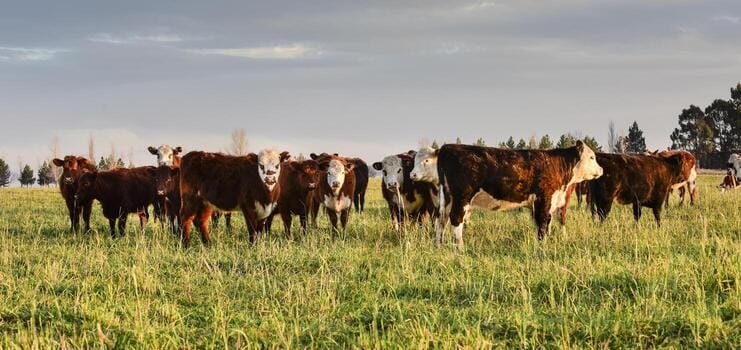
Feeder Cattle Index Hits October Highs; New World Screwworm Reinforces Supply Tightness - March feeder cattle futures jumped $2.625 to $355.575, hitting their highest level since October 23, as Mexico's New World screwworm detection keeps the U.S. import blockade intact, further tightening available feeder supplies. Feedlot operators continue aggressive bidding despite packer margin pressure, signaling genuine supply desperation.
Fund Rebalancing Supports Corn, Wheat, Soy Complex; Year-End Portfolio Adjustments Drive Spillover Buying - Annual commodity fund rebalancing at the start of 2026 is providing broad-based support across grains and soybeans, with long positioning ahead of key supply/demand estimates.
📉 Bearish:
Hog Fundamentals Deteriorate Despite Futures Strength; Pork Cutout Values Lag Price Rally - While February lean hog futures rally on fund buying and packer desperation for near-term supplies, fundamental pork prices closed down $2.59 to $91.25/cwt with weakness across all categories except select cuts. With increasing U.S. and global hog numbers, pork prices will collapse unless consumption rises significantly.
Natural Gas Volatility Masks Structural Oversupply; LNG Export Machine May Push Prices Lower by Late January - The Wednesday "gap up" reprieve for natural gas masks a brutal structural problem: record U.S. LNG exports (~20 Bcf/d) are overwhelming domestic supply, and unless the late-January cold snap materializes, prices are vulnerable to sub-$3.00 lows again.
Supreme Court Tariff Ruling Friday Could Reshape 2026 Trade Outlook; Legal Uncertainty Complicates Planning - The Supreme Court is expected to rule Friday on Trump's use of the 1977 "powers law" to impose tariffs, creating binary outcomes that could either validate or limit Trump's tariff authority heading into 2026. Agricultural markets are holding their breath ahead of this decision, as the tariff framework affects everything from input costs to export competitiveness.
Want to Sell More, and Profitably?

Prairie Routes connects family farms with seasoned experts for 1-on-1 coaching tailored to your business. Whether you’re looking to grow your market, boost margins, or streamline sales, we’re here to help.
Book your free consult today and see how we can help your farm thrive.
INCASE YOU MISSED IT
Quick Hits on Policy and Relevant News

⚠️ CUSMA REVIEW LOOMS: CANADIAN AGRICULTURE BRACES FOR UNCERTAIN TRADE RENEGOTIATION IN 2026
The Canada-U.S.-Mexico Agreement (CUSMA) review is expected to proceed in 2026, and Canadian agriculture faces uncertainty about whether Trump's administration will seek changes to agricultural provisions. CUSMA has protected most Canadian exports from tariff chaos, including all agricultural commodities, but the renewal process creates risk for canola, beef, pork, and dairy sectors.
🌍 MADURO'S CAPTURE COULD RESHAPE AGRICULTURE TRADE FLOWS; VENEZUELA ENTERS TRUMP'S OIL STRATEGY
Reports indicate that Venezuela's political situation could have unexpected consequences for agriculture trade flows, particularly given Trump's stated intent to source oil from Venezuela. The move could affect agricultural input costs and global energy dynamics.
🍖 CANADIAN AGRICULTURE SECTOR DEBATE: SUPPLY MANAGEMENT VS. GROWTH STRATEGY IN 2026
Agri-food policy experts argue that 2026 must mark a shift in how Canada approaches dairy and meat policy, moving away from supply management protectionism and toward competitiveness in global protein markets. The UN's International Year of Rangelands and Pastoralists provides an opportunity to reset the debate around livestock as a strategic pillar of resilient food systems.
📊 CANADIAN AGRICULTURE MOVES INTO 2026 WITH PRODUCTION STRENGTH BUT TRADE UNCERTAINTY
Canadian agriculture enters 2026 with robust production (record canola and wheat crops) but faces significant trade headwinds from Chinese tariffs on canola and ongoing Trump administration tariff threats. Hog barns remain full with steady cattle movement through the system, but producers are cautious about export market access.
🐄 TIP OF THE WEEK: Winter Feedlot Bedding Boosts Gain 0.8-1 lb/day
Provide bedding during extreme cold snaps (below -20°C) to reduce maintenance energy costs and improve feed efficiency. Straw bedding during winter weather events increased daily gain by 0.86 lb/day and improved feed efficiency by 31% with no change in feed intake (North Dakota State University study). Clean bedding also cuts respiratory issues 20-30% in windy Prairie conditions.
Learn more:
University of Nebraska-Lincoln: Feedlot Management Strategies to Combat Winter Weather
Beef Research Canada: Winter Management of Beef Cattle
NDSU Extension: Bedding Benefits Study
Your most important work is always ahead of you, never behind you…
Until next time,
Prairie Routes
Want to help the newsletter grow?
Forward this newsletter to a friend or colleague, it’s free!